

the dog kennel of Central Asian Shepherds, Russian Alabays in Europe, in Hungary (FCI Ragistration Number 54/2023).
Why Uraltobet?
Ural - Ural Mountains. Uraltobet – Ural’s Central Asian Shepherd (Tobet).
In Kazakhstan, the Central Asian Shepherd breed is called - tobet (kaz. - төбет) which came from the mix of the words "төбе" (top, hill, mountain) and "ит" (dog) - literally "dog on top of the hill."
The Ural’s Tobet is the foundation of my kennel: two girls (full sisters) Central Asian Shepherds come from the Ural (a geographic region in Russia that stretches between the Eastern European and Western Siberian plains. Most of this region is the Ural Mountains).
The basis of my kennel is to breed these great Russian Alabais (Tobets) in Europe while maintaining the characteristics and conformation as close as possible to their ancient ancestors.
The Central Asian Shepherd thrives best with an owner who has enough space around the house so that the dog can protect environment and the owner and the property.
The Sentral Asian Ovcharka (CAO) is alert by nature and known for its reliability, good working qualities, spectacular appearance and friendly attitude towards all family members.
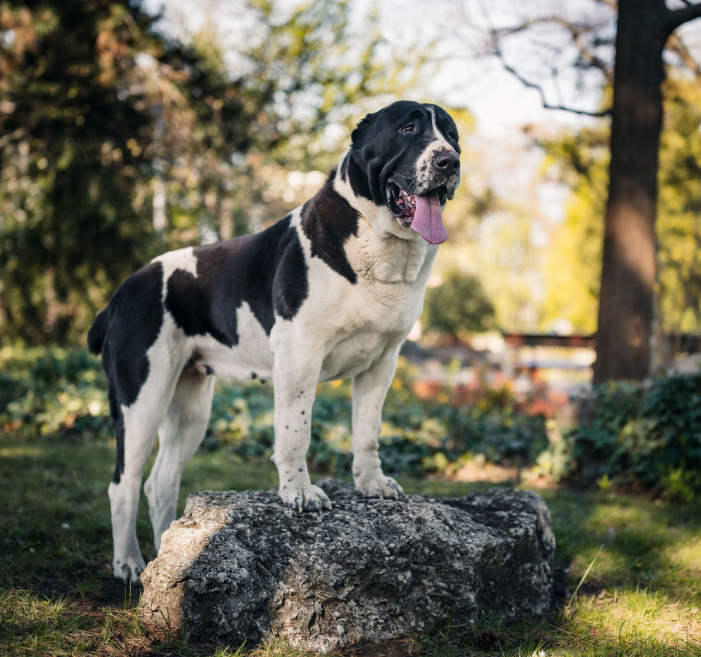
The Central Asian Ovcharka (Alabai) is a breed with a history of thousands of years. In its countries of origin, ears and tails were often docked. This had a clear function: protection against injuries while working as a guard and livestock dog, and it gave the dog a recognizable, traditional appearance. Many breeders and breed clubs in Russia and Central Asia emphasize that this is part of the cultural heritage of the breed.
At the same time, different rules apply in Europe. In Hungary - and throughout the Europe - ear and tail docking in dogs is prohibited by law, except in cases of medical necessity. The FCI has also adapted the breed standard: dogs with natural ears and a tails are now the norm, and only they may participate in shows and breeding programs.
What does this mean for our kennel?
Our Puppies grow up with their natural ears and tails. In this way, we comply with current welfare standards and guarantee that they can participate in shows and breeding activities without restrictions. At the same time, we acknowledge the rich tradition and functional background of docking, which is deeply connected to the history of this remarkable breed.


By nature balanced, self-confident, likes to learn. Great guard, always on the lookout! Responsible. He loves my husband very much. She does not like dog shows. On the territory – the boss. Distrustful of strangers.
Hungarian Champion.
Hungarian Junior Winner (HPJ).
4x Best of Opposite Sex
2x CACIB
2x Reserve CACIB
4x CAC
4x Reserve CAC.
Typical Tobet! Large, rough type bitch. By nature she is very calm, but she doesn't let anyone walk all over her. Very obedient. Doesn't like familiarity. Respects the freedom of others. Respects herself. Doesn't like to hug and kiss. Iolanta likes dog shows very much. Knows how to show off! Likes to study. Learns quickly. The leader of our pack.


Pedigree

European passport

Microchip

Required vaccination
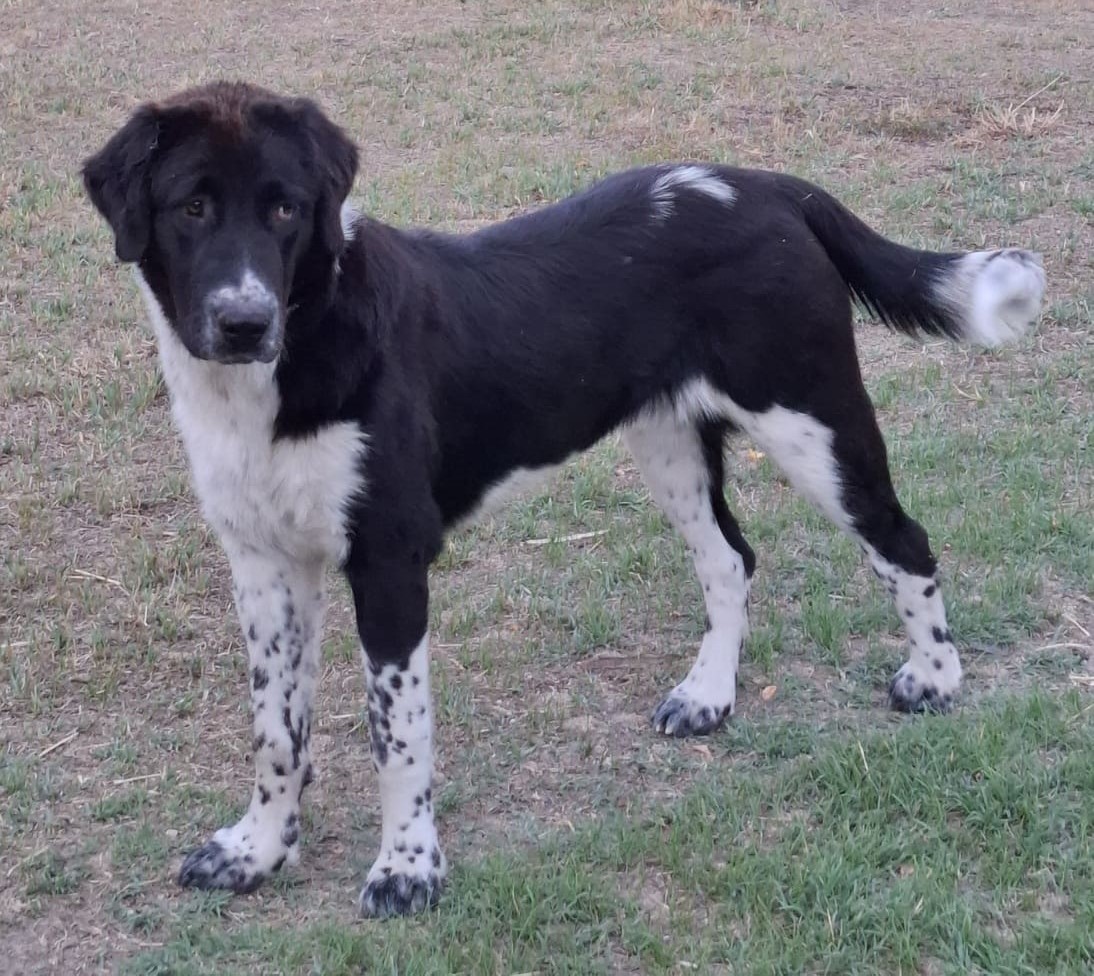
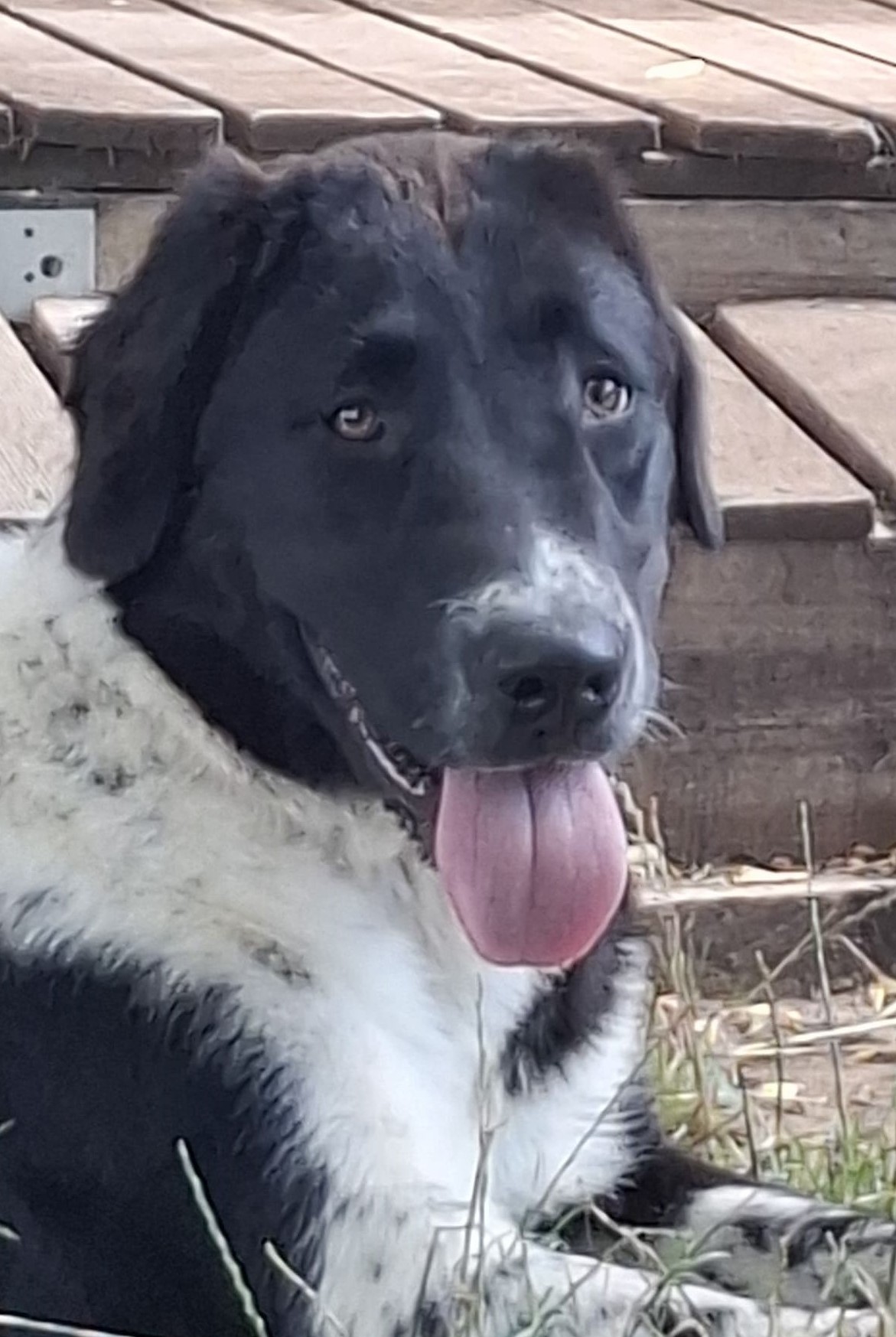
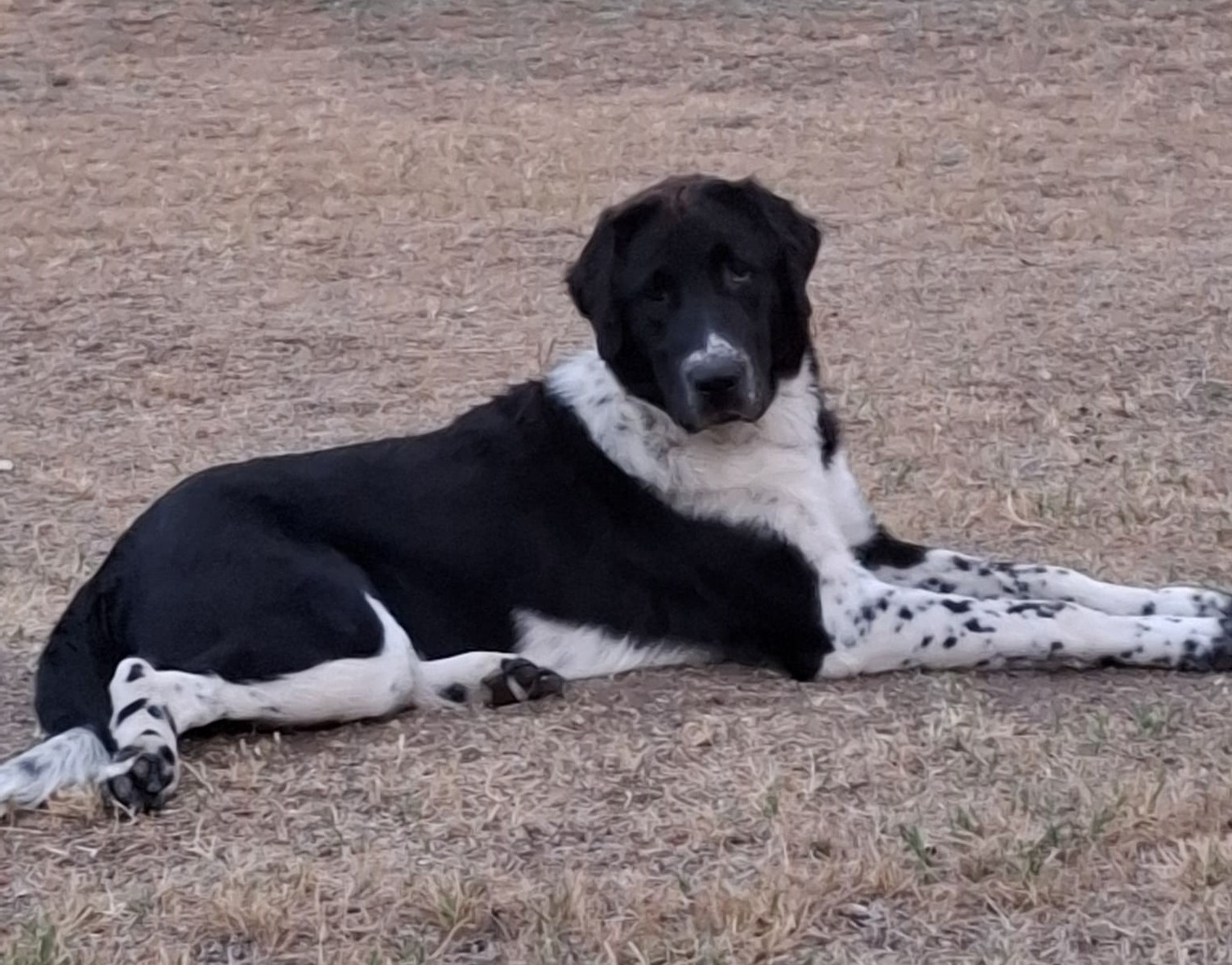
Elisa is a 7‑month‑old Central Asian Shepherd (Alabai) with a striking black‑and‑white coat and a strong, harmonious build. She has a calm, intelligent and observant nature, typical of young Tobets still developing their confidence and independence.
She moves with stability, is people‑oriented, and learns quickly when given clear structure. Elisa has a natural guardian instinct, yet remains balanced when her environment is predictable. She is best suited for a farm, homestead or spacious property, where her instinct and working abilities can be used correctly.
📜 Pedigree
Mother: Ilariya Otchiy Dom – a stable, experienced female with a calm character and excellent structure.
Father: C‑Suhaj Bali‑Bej – working line from Slovakia, actively working on a farm; strong, reliable male with good temperament and functional build.
🩺 Elisa’s Characteristics
Elisa is ready for a home where she will have space, stability and a clear role.
A young working dog with potential, presence and a trustworthy character.
Price 950 euro


